The three constituent bequests
A field, a sum on deposit, and a small annual contribution to a church.
Each constituent bequest is held as a separately accounted restricted fund within the consolidated charity. Each does one thing only, set down in the original schemes, and we have not changed any of them since consolidation in 1968.
Below are the three bequests in turn — what they were left for, how they work in 2026, who they help, and how to apply if you think the charity might be of use to you or someone in the parish you know. If you are unsure which bequest fits, write to us in plain English and we will guide you. Letters take a fortnight; we are not staffed for faster turnaround.
Bequest 01 · Fuel
The Poor's Land
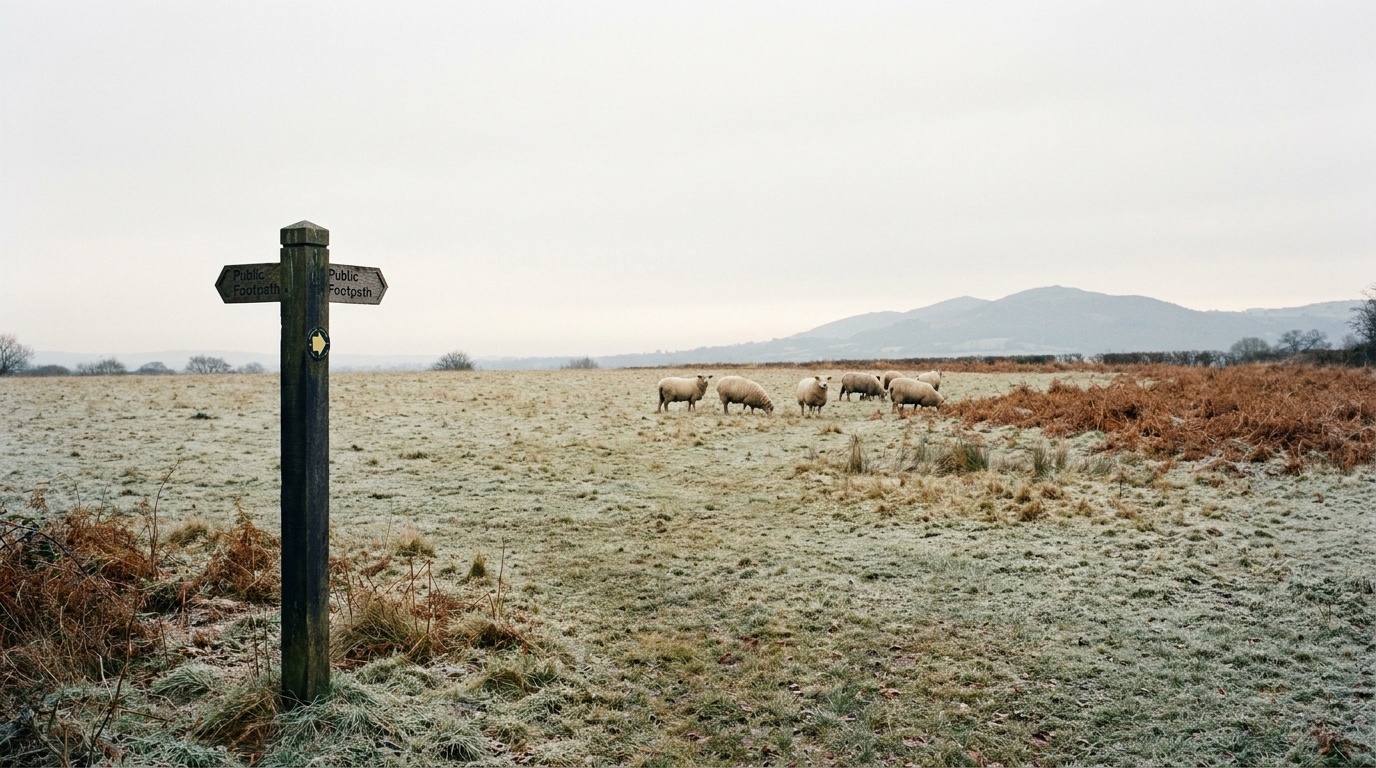
What it is. A two-acre parcel of meadow on the north side of the village, set aside at enclosure in the early nineteenth century as a fuel-allotment for the elderly poor of the parish. The land has never been built on, never been sold, and never been let on any tenancy of more than ten years.
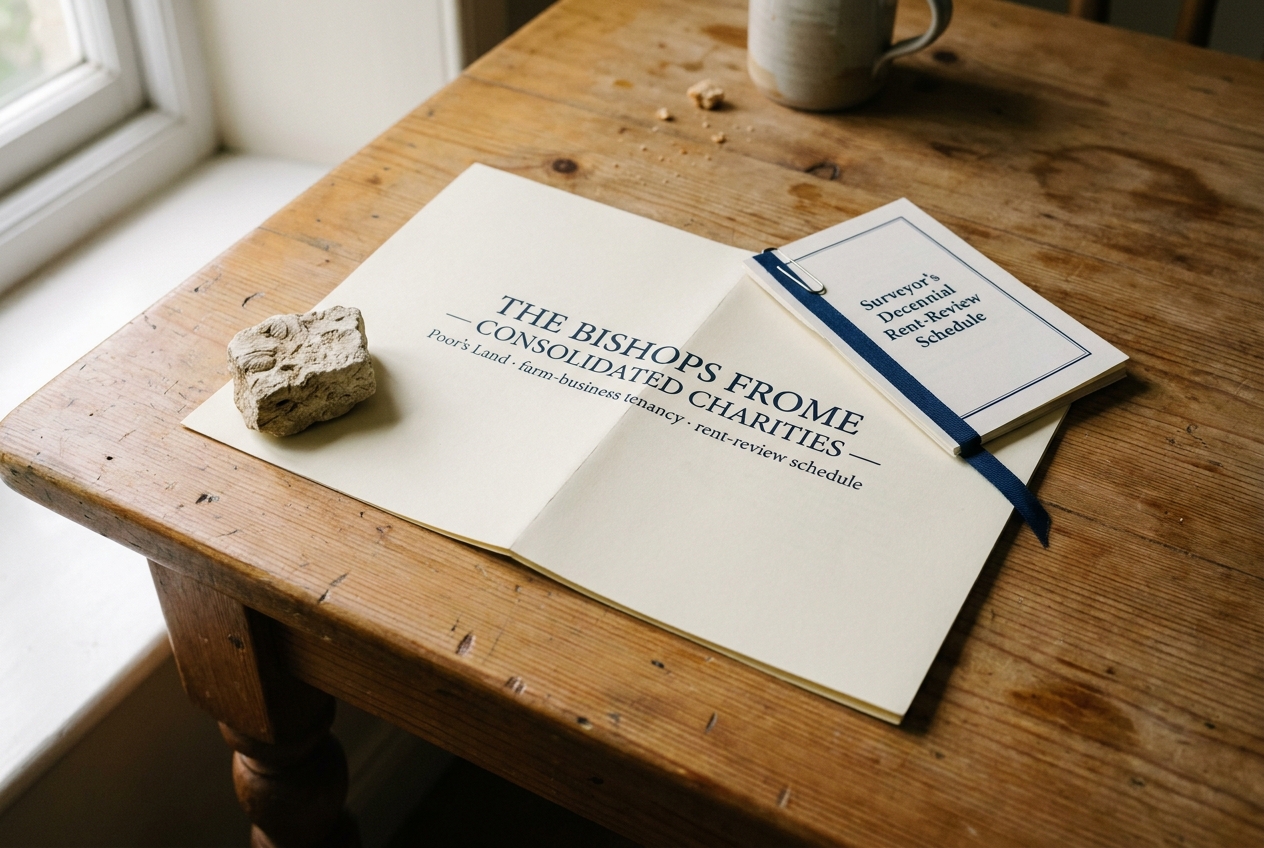
How it works in 2026. The meadow is let on a farm-business tenancy to a neighbouring farmer at a rent reviewed every ten years by a chartered surveyor in Hereford. The current rent, paid in October, is in the low hundreds of pounds. In November, after the trustees' autumn meeting, the rent is distributed as small fuel vouchers — typically £40 to £75 each — to parish households over 70 living on their own.
Who it helps. Older parishioners on a single state pension, or close to it, living within the ecclesiastical parish of Bishop's Frome. We rely on quiet referrals from the parochial church council, the parish council clerk, and the rector. We do not advertise the grant to avoid embarrassing recipients.
How to apply. Write to the trustees at the address below before the end of September, in your own words, on a single side of paper. We will reply by post within a fortnight. There is no application form and we will not ask for income evidence.
Supported by. The Bishop's Frome Parish Council, which holds the parish electoral register and supports our distribution process; and the parochial church council of St Mary's, which advises on referrals.
Bequest 02 · A start in trade
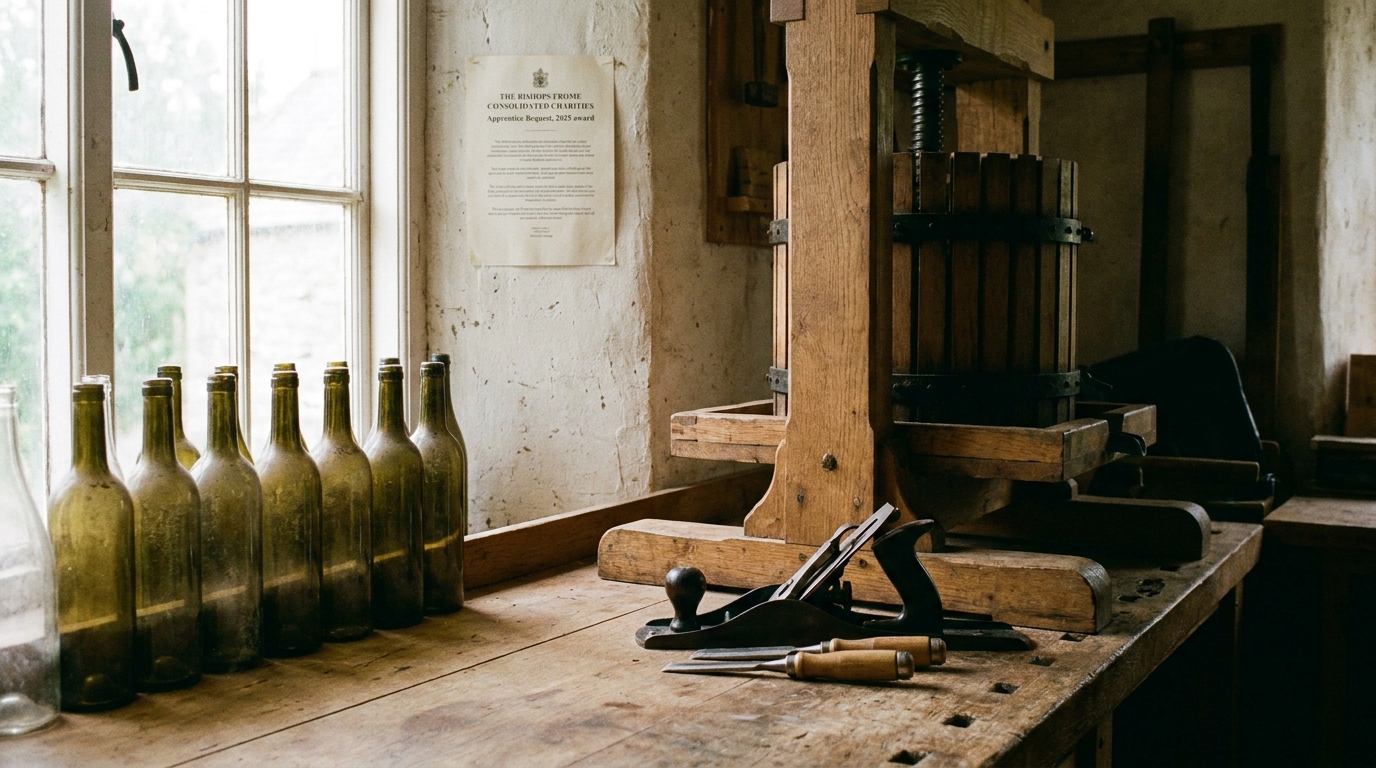
The Apprentice Bequest
What it is. A small endowment, originating in a will read at St Mary's parish church in 1832, 'for the apprenticing of poor lads of the parish to honest trades within five miles of the church porch.' Since the 1970s, with the agreement of the Charity Commission, the bequest has been applied to young people of any sex within the parish, and the five-mile rule has been read generously to include nearby market towns. The objects of the original gift — supporting a parish young person into a trade — remain unchanged.
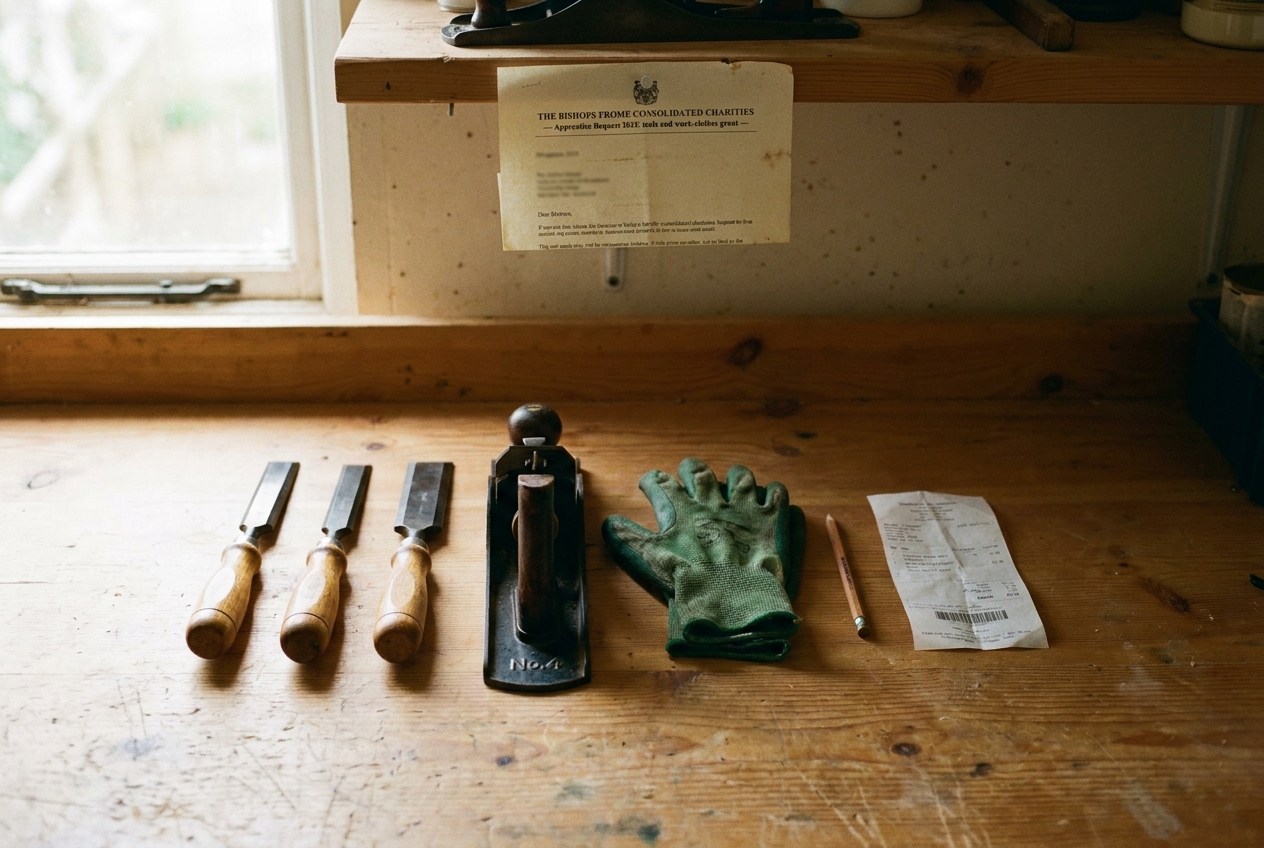
How it works in 2026. One grant most years; occasionally two. The award is typically between £150 and £250, decided at the spring trustees' meeting. It is intended as a contribution towards tools, work clothes, a first set of safety equipment, or the cost of a college day-release for a recognised apprenticeship. It is not a stipend, a bursary, or general study support.
Who it helps. Parish residents under the age of 25 entering, or in the first year of, a recognised apprenticeship in a trade. Recent recipients have been in cidermaking, joinery, plumbing, dry-stone walling, hairdressing, electrical work and arboriculture.
How to apply. A single side of paper, written by the applicant in their own words, setting out the trade, the placement, and what the grant would help with. To be received by the end of February for consideration at the March meeting.
Supported by. Frome Valley Community Apprenticeships, a small informal local network of employers in the parish and surrounding villages who advertise their placements through the parish noticeboard.
Bequest 03 · Stone, timber, slate
The Church Fabric Fund
What it is. The smallest of the three constituent funds, descending from a string of Victorian subscriptions tied to the rebuilding of the St Mary's nave roof in 1873 and to one or two family pews. It is restricted to expenditure on the physical fabric of the parish church — roof, walls, glass, lych gate, font, fixed seating — and may not be used for clergy stipends, organ tuners, choir robes, hymn books, or anything that walks out of the building under its own steam.
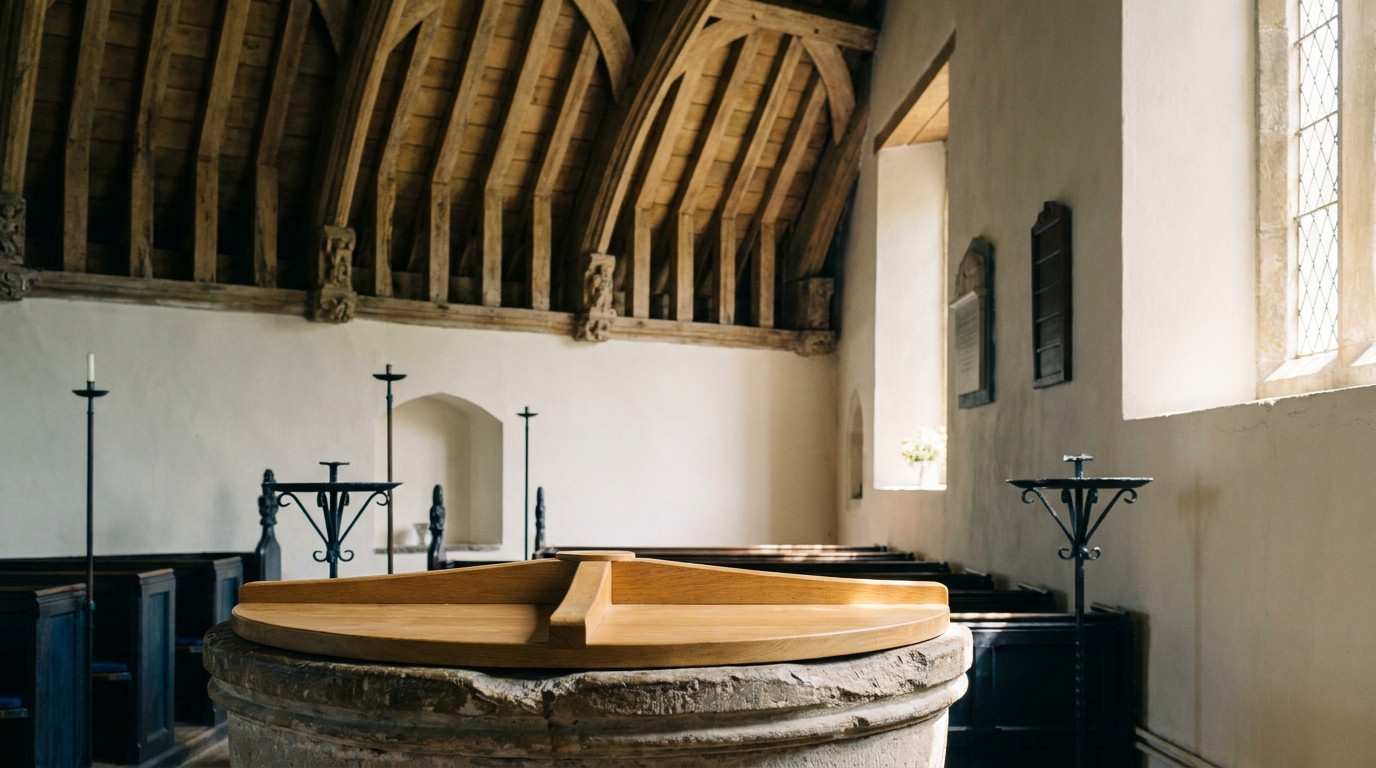
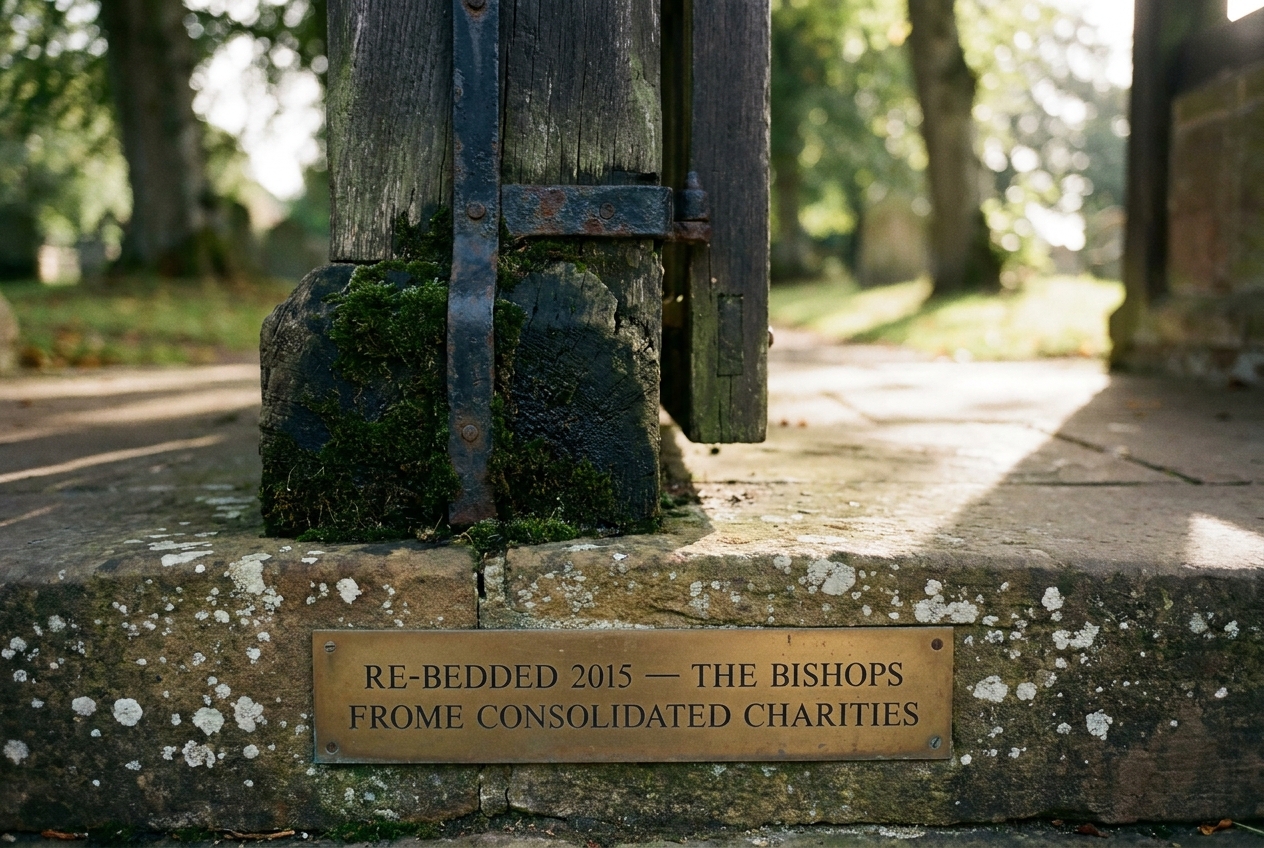
How it works in 2026. The fund makes an annual contribution towards a specific item of fabric work, agreed with the parochial church council of St Mary's at the autumn trustees' meeting. Recent grants have included the re-bedding of the lych-gate threshold stone, a new oak font cover by a joiner in Bromyard, and a contribution towards leadwork on the south porch valley.
Who it helps. The parish church of St Mary's, Bishop's Frome — a Grade II* listed medieval building whose font is more than seven hundred years old and whose lych gate is a familiar landmark at the south end of the village.
How to apply. Applications are made by the churchwardens or the parochial church council secretary, not by individuals. A short note of the fabric item, the contractor, the estimate, and any other funding lined up is sufficient.
Supported by. The Parochial Church Council of St Mary's, Bishop's Frome; and the Deanery of Bromyard.
A note on the schemes
Why we keep three minute-books, not one.
It would be administratively easier to merge the three constituent funds into a single pot. We have not done so, deliberately. Each donor — the parishioners who set aside the meadow, the testator of 1832, the Victorian subscribers — intended the gift for a specific use. Holding the funds separately is the simplest way to make sure none of them drifts. When the trustees agree a grant, it is drawn from the relevant fund, recorded against that fund's minute-book, and reconciled against that fund's bank-account balance. The three minute-books sit on the same shelf, but their pages do not blur.
This means our annual return shows three small expenditure lines rather than one larger one. We think the parish is better served by three small clear lines than by one tidy total that hides the donors' intentions.